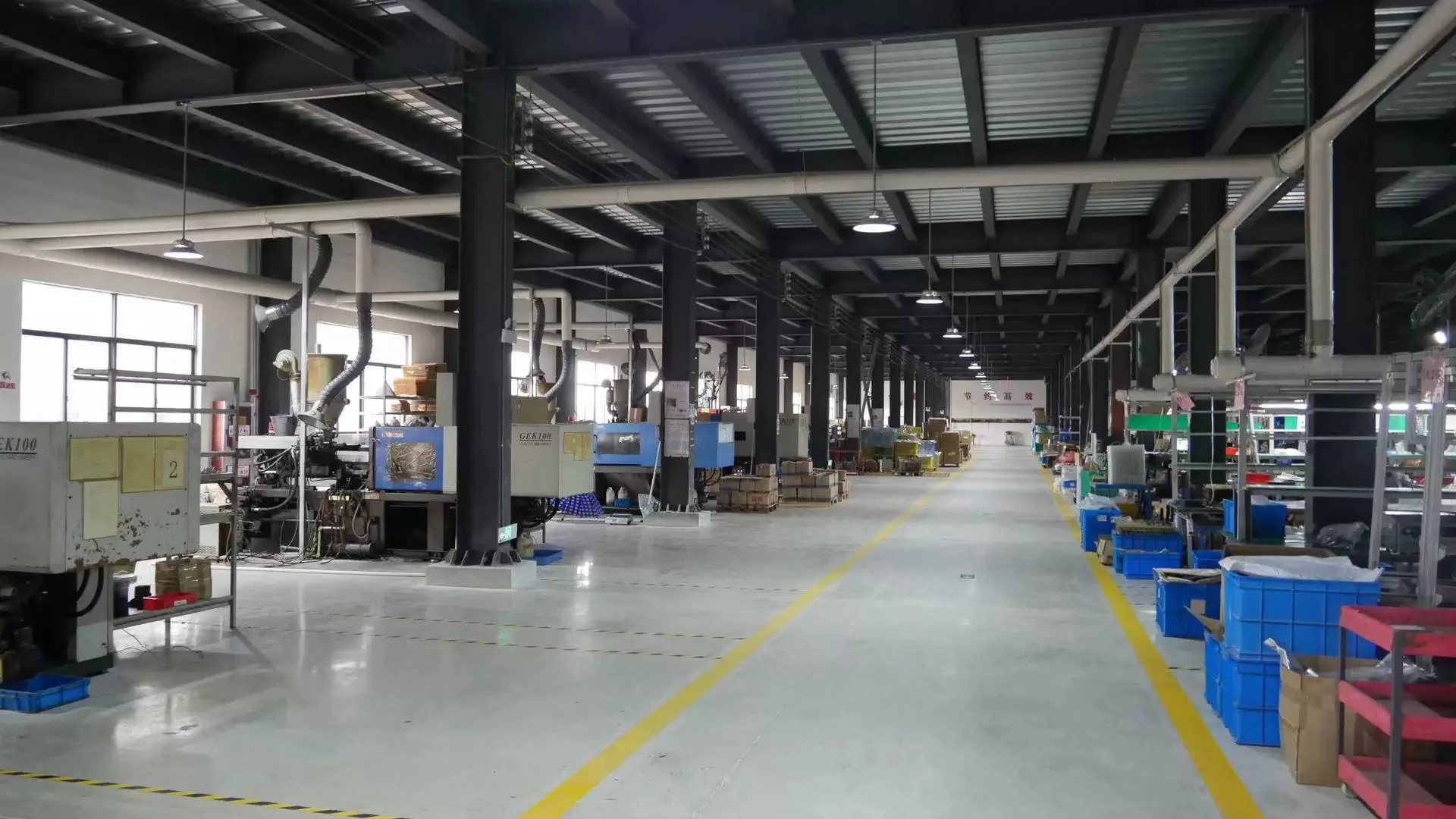
Sourcing products from China has become an important strategy for businesses worldwide looking for competitive manufacturing capabilities, flexible production options, and access to a broad supplier ecosystem.
However, successful sourcing requires more than simply finding a supplier with a competitive price.
Overseas businesses need to understand supplier selection, production capabilities, communication processes, quality management, and procurement coordination.
This guide explains the key steps involved in sourcing products from China and how businesses can approach the process more effectively.
Why Businesses Source Products From China
China has developed one of the world's most comprehensive manufacturing ecosystems, supporting industries ranging from consumer products to industrial equipment and specialized components.
Businesses choose China sourcing because of several advantages:
Extensive Manufacturing Capabilities
China offers a wide range of manufacturing capabilities across different industries.
Examples include:
CNC machining;
Metal fabrication;
Plastic injection molding;
Industrial equipment;
Consumer products;
Commercial solutions.
Flexible Production Options
Chinese manufacturers can support:
Small and medium production runs;
Customized products;
OEM projects;
Large-scale manufacturing.
Complete Supply Chain Ecosystem
Many industries benefit from China's integrated supply chains, where materials, components, manufacturing, and supporting services are available within established industrial clusters.
The China Sourcing Process
A successful sourcing project usually involves several important stages.
Step 1: Define Product Requirements
Before searching for suppliers, businesses should clearly define:
Product specifications;
Materials;
Quality requirements;
Certifications;
Target market requirements;
Expected order quantities.
Clear requirements help identify suitable suppliers and avoid unnecessary communication problems.
Step 2: Find Suitable Suppliers
Finding suppliers is one of the most important parts of China sourcing.
Possible sources include:
Industry networks;
Manufacturing clusters;
Online platforms;
Trade exhibitions;
Professional sourcing partners.
However, supplier availability does not always mean supplier suitability.
Businesses should evaluate:
Production capability;
Experience;
Quality systems;
Communication ability;
Previous project experience.
Step 3: Evaluate Supplier Capability
Before cooperation, overseas buyers should understand whether a supplier can actually deliver the required products.
Important evaluation factors include:
Manufacturing Capability
Can the factory produce the required products?
Quality Control
Does the supplier have appropriate inspection processes?
Production Capacity
Can the supplier support expected order volumes and timelines?
Experience
Has the supplier worked with similar products or international customers?
Step 4: Request Samples and Confirm Specifications
Samples are an important part of the sourcing process.
Businesses should confirm:
Product quality;
Materials;
Design details;
Packaging;
Production standards.
A clear sample approval process reduces production risks.
Step 5: Manage Production and Quality
After confirming suppliers, production coordination becomes critical.
Key areas include:
Production progress;
Quality inspection;
Packaging requirements;
Shipping preparation.
For overseas buyers, communication with suppliers can become challenging due to:
Language differences;
Time zones;
Different business practices.
Step 6: Arrange Logistics and Delivery
The final stage involves:
Export preparation;
Documentation;
Shipping coordination;
Delivery management.
A complete sourcing process requires coordination beyond factory selection.
Common Mistakes When Sourcing From China
Choosing Suppliers Only Based on Price
The lowest quotation does not always represent the best supplier.
A reliable supplier should balance:
Price;
Quality;
Capability;
Communication.
Not Verifying Supplier Capability
A supplier may claim to manufacture certain products but lack actual production ability.
Supplier verification is essential before cooperation.
Poor Product Requirements
Unclear specifications often create:
Quality issues;
Production delays;
Additional costs.
Lack of Local Support
Managing suppliers remotely can create challenges.
Local procurement support can help businesses communicate effectively and coordinate projects.
Manufacturer, Supplier, and Procurement Partner: Understanding the Difference
When sourcing from China, businesses often need to choose between:
Direct factory purchasing;
Working with suppliers;
Using procurement support.
Each model has different advantages.
Direct Factory Purchasing
Suitable for businesses with:
Strong supplier experience;
Technical knowledge;
Existing China operations.
Procurement Support
Useful for businesses that need assistance with:
Supplier identification;
Communication;
Quality coordination;
Project management.
How Syvoni Supports China Procurement
Syvoni works as a China Procurement Partner, helping overseas businesses navigate sourcing projects in China.
Support includes:
Supplier Identification
Helping businesses identify suitable manufacturers based on project requirements.
Procurement Coordination
Supporting communication between overseas buyers and Chinese suppliers.
Manufacturing Understanding
Helping businesses understand supplier capabilities and production options.
Project Support
Supporting sourcing projects from initial supplier communication through coordination stages.
Industries Supported by China Manufacturing
China sourcing opportunities exist across many industries.
Syvoni supports procurement projects involving:
Industrial Manufacturing
Including:
CNC machining;
Metal fabrication;
Plastic injection molding;
Industrial equipment.
Commercial Equipment
Including:
Kitchen equipment;
Refrigeration equipment;
Commercial solutions.
Transportation & Mobility
Including:
Automotive components;
EV components;
Mobility-related products.
Consumer Products
Including:
Footwear;
Bags;
Jewelry;
Lifestyle products.
Sourcing products from China provides businesses with access to extensive manufacturing capabilities and global supply chain opportunities.
However, successful sourcing requires careful supplier selection, clear communication, quality management, and effective procurement coordination.
By understanding the sourcing process and working with suitable partners, overseas businesses can reduce risks and build reliable supply relationships in China.
Need Support With China Procurement?
Syvoni helps overseas businesses connect with suitable Chinese manufacturers and coordinate sourcing projects across multiple industries.
Contact Syvoni to discuss your sourcing requirements.