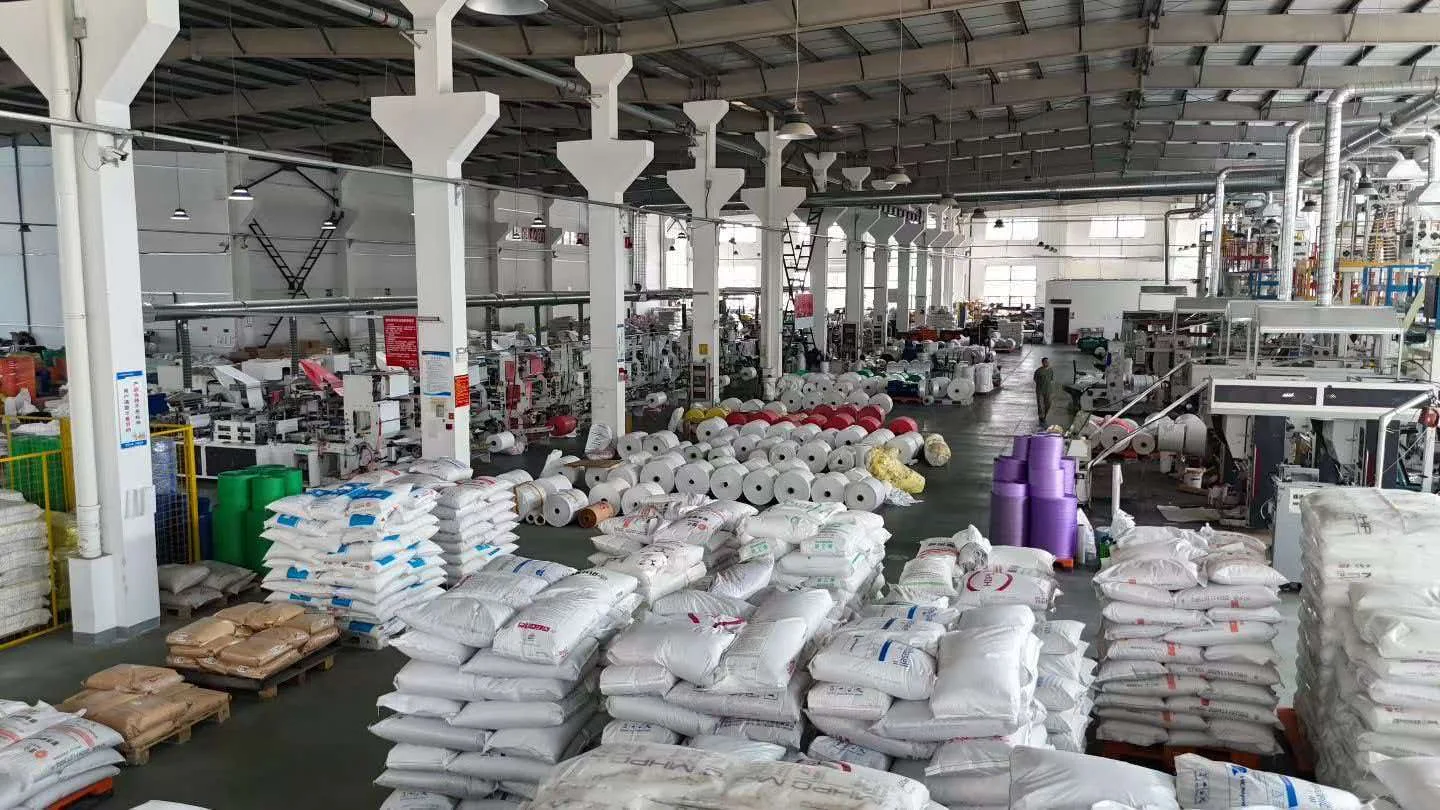
Sourcing from China provides businesses with access to extensive manufacturing capabilities and competitive supply chains.
However, many overseas buyers encounter challenges because successful procurement requires more than simply finding a supplier and placing an order.
Understanding common sourcing mistakes can help businesses avoid unnecessary risks and build more reliable supplier relationships.
This guide explains the most common mistakes businesses make when sourcing from China and how to approach procurement more effectively.
Mistake 1: Choosing Suppliers Only Based on Price
One of the most common mistakes in China sourcing is focusing only on the lowest quotation.
While cost is an important factor, the cheapest supplier may not always provide the best value.
Why This Creates Problems
Low prices may result from:
Different material standards;
Lower production quality;
Limited manufacturing capability;
Reduced service support.
Better Approach
Businesses should evaluate suppliers based on:
Quality;
Capability;
Reliability;
Communication;
Long-term suitability.
The goal should be finding the right supplier, not simply the cheapest supplier.
Mistake 2: Not Verifying Supplier Capability
A supplier may appear suitable online but may not have the required production capability.
Potential Problems
Without proper evaluation, businesses may face:
Production delays;
Quality problems;
Incorrect specifications;
Unexpected limitations.
Better Approach
Before cooperation, evaluate:
Manufacturing equipment;
Production experience;
Similar projects;
Quality systems;
Factory capabilities.
Related Article:
Mistake 3: Poor Product Requirements
Many sourcing problems begin before contacting suppliers.
Unclear requirements can create misunderstandings.
Common Issues
Including:
Missing specifications;
Unclear materials;
Undefined quality expectations;
Incomplete packaging requirements.
Better Approach
Prepare clear information about:
Product requirements;
Technical specifications;
Expected quality standards;
Market needs.
Clear communication improves supplier matching.
Mistake 4: Ignoring Communication Differences
Working with Chinese suppliers requires effective communication.
Common Challenges
Overseas businesses may experience:
Language differences;
Different business expectations;
Different approaches to problem solving.
Better Approach
Successful cooperation requires:
Clear communication;
Confirmed requirements;
Regular updates;
Professional coordination.
Mistake 5: Assuming Every Supplier Is a Manufacturer
Another common misunderstanding is assuming every supplier directly controls production.
In reality, China's supply chain includes:
Manufacturers;
Specialized suppliers;
Trading companies;
Procurement partners.
Why This Matters
Understanding supplier roles helps businesses:
Evaluate capability correctly;
Understand pricing;
Select the right cooperation model.
Related Article:
Mistake 6: Not Managing Quality During Production
Quality control should not only happen after production.
Potential Risks
Without proper monitoring:
Defects may be discovered too late;
Production issues may become expensive to fix;
Delivery schedules may be affected.
Better Approach
Quality management should include:
Sample approval;
Production communication;
Inspection coordination;
Final confirmation.
Mistake 7: Expecting Suppliers to Manage Everything
Many overseas businesses expect suppliers to handle the complete procurement process.
However, suppliers usually focus on manufacturing.
They may not provide:
Supplier comparison;
Market understanding;
Procurement strategy;
Cross-supplier coordination.
Better Approach
A professional procurement partner can help coordinate different parts of the sourcing process.
Mistake 8: Lack of Long-Term Supplier Strategy
Some businesses treat China sourcing as a simple transaction.
However, successful sourcing often depends on building long-term relationships.
Long-Term Supplier Management Includes:
Continuous communication;
Product improvement;
Quality improvement;
Better cooperation.
How Syvoni Helps Reduce China Sourcing Risks
Syvoni supports overseas businesses by helping manage key sourcing challenges.
Understanding Requirements
Helping define:
Product expectations;
Quality requirements;
Supplier needs.
Supplier Evaluation
Helping businesses understand:
Manufacturer capability;
Production experience;
Project suitability.
Communication Coordination
Supporting communication between overseas buyers and Chinese suppliers.
Procurement Support
Helping coordinate sourcing projects from supplier selection to production communication.
Building a More Reliable China Sourcing Strategy
A successful sourcing strategy requires:
Clear Requirements
Know what you need before contacting suppliers.
Proper Supplier Evaluation
Choose suppliers based on capability, not only price.
Effective Communication
Maintain clear and consistent communication.
Professional Coordination
Use appropriate support when managing complex sourcing projects.
China sourcing offers significant opportunities, but successful procurement requires careful planning and supplier management.
Avoiding common sourcing mistakes can help businesses reduce risks, improve efficiency, and build stronger supplier relationships.
The key is not only finding suppliers, but developing a reliable procurement approach.
Need Support Reducing China Sourcing Risks?
Syvoni helps overseas businesses identify suitable suppliers and coordinate procurement projects with Chinese manufacturers.
Contact Syvoni to discuss your sourcing requirements.
Internal Links: