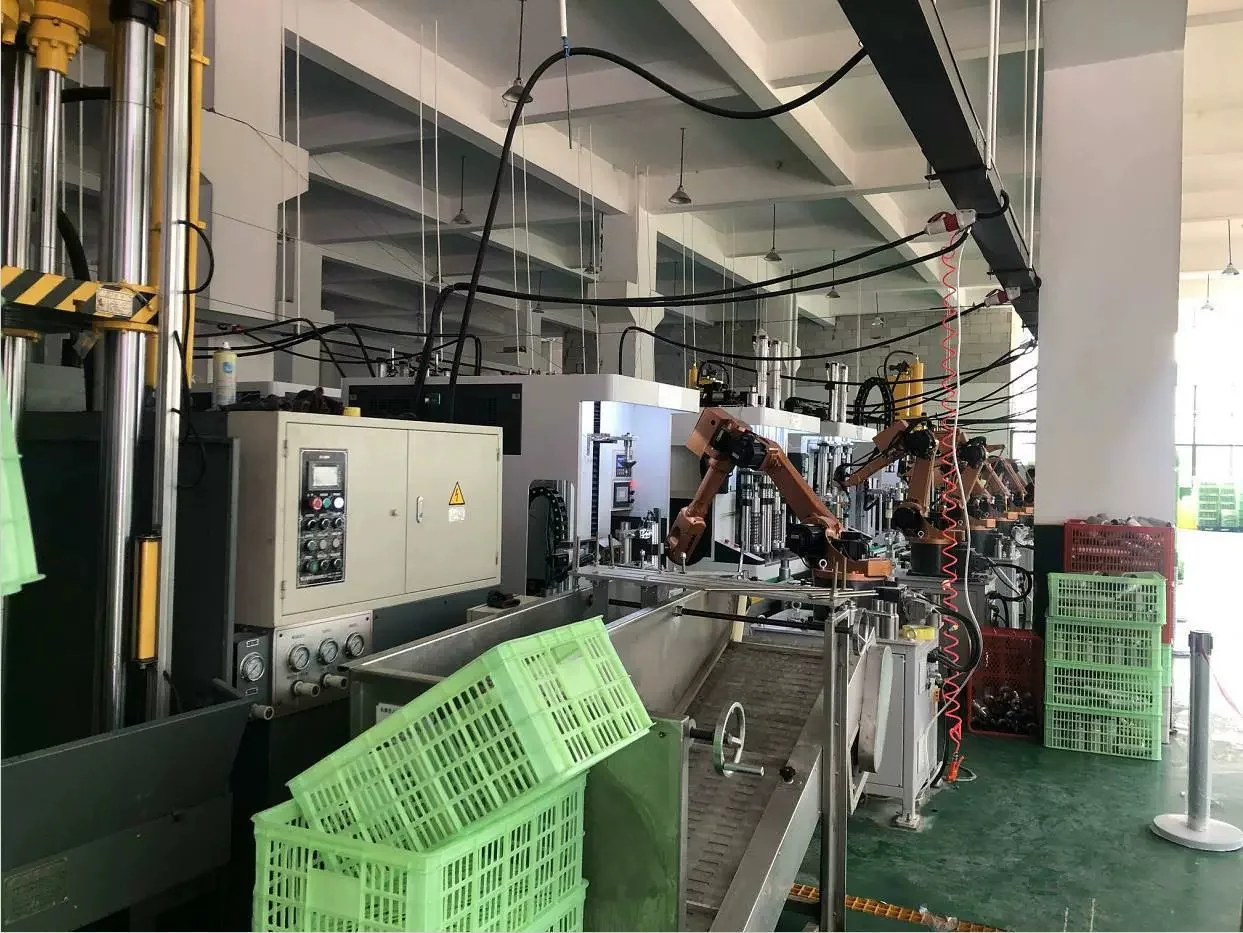
China has become one of the world's largest centers for plastic injection molding, supporting industries that require customized plastic components, high-volume production, and complex product designs.
From consumer products to industrial equipment, plastic injection molding plays an important role in modern manufacturing.
For overseas businesses sourcing plastic parts from China, selecting the right supplier requires understanding production processes, tooling capabilities, material options, and quality management.
This guide explains the key capabilities of plastic injection molding suppliers in China and what buyers should consider when evaluating manufacturers.
What Is Plastic Injection Molding?
Plastic injection molding is a manufacturing process where melted plastic material is injected into a mold cavity, cooled, and formed into a finished component.
It is widely used for producing:
Plastic housings;
Consumer product components;
Industrial parts;
Automotive components;
Customized plastic products.
Why Injection Molding Is Widely Used
Injection molding provides advantages including:
High production efficiency;
Consistent product quality;
Complex shape capability;
Suitable for mass production.
Common Plastic Injection Molding Processes
Chinese suppliers commonly support different stages of plastic manufacturing.
1. Mold Design and Tooling
The mold is one of the most important elements in injection molding.
Mold development involves:
Product design review;
Mold structure;
Material selection;
Testing and adjustment.
A well-designed mold improves:
Product consistency;
Production efficiency;
Long-term cost performance.
2. Injection Molding Production
During production:
Plastic materials are heated;
Material is injected into molds;
Components are cooled and removed.
Important production factors include:
Machine capability;
Process control;
Production stability.
3. Secondary Processing
Many plastic products require additional processes.
Examples:
Painting;
Printing;
Assembly;
Surface treatment.
Plastic Materials Used in Injection Molding
Different applications require different materials.
Common materials include:
ABS
Used for:
Product housings;
Consumer electronics;
General-purpose components.
PP (Polypropylene)
Used for:
Packaging;
Household products;
Lightweight components.
PC (Polycarbonate)
Used for:
High-strength applications;
Transparent components;
Industrial products.
Nylon
Used for:
Mechanical components;
Wear-resistant parts.
Key Capabilities to Evaluate in a Plastic Injection Supplier
1. Mold Manufacturing Capability
Evaluate:
Tooling experience;
Mold accuracy;
Development capability.
2. Production Equipment
Important factors include:
Injection machine size;
Machine quantity;
Automation level;
Production capacity.
3. Material Experience
A reliable supplier should understand:
Material characteristics;
Application requirements;
Performance expectations.
4. Quality Control
Evaluate:
Dimensional inspection;
Appearance inspection;
Production monitoring.
Plastic Injection Molding Applications Across Industries
Consumer Products
Applications:
Household products;
Lifestyle products;
Product components.
Transportation & Mobility
Applications:
Automotive plastic components;
Interior parts;
EV-related plastic components.
Industrial Manufacturing
Applications:
Equipment components;
Industrial housings;
Functional plastic parts.
Commercial Equipment
Applications:
Equipment panels;
Plastic components;
Custom parts.
Common Mistakes When Sourcing Injection Molding
Ignoring Mold Costs
Injection molding often requires tooling investment.
Buyers should understand:
Mold cost;
Mold lifespan;
Production volume.
Choosing Suppliers Without Material Knowledge
Different applications require different plastic materials.
Incorrect selection may affect:
Strength;
Durability;
Performance.
Not Considering Production Volume
Injection molding economics depend heavily on:
Order quantity;
Tooling investment;
Production planning.
How Syvoni Supports Plastic Injection Molding Sourcing
Syvoni helps overseas businesses connect with suitable plastic manufacturing suppliers in China.
Understanding Product Requirements
Support includes understanding:
Product design;
Material requirements;
Production expectations.
Supplier Identification
Helping identify manufacturers with suitable:
Injection capability;
Tooling experience;
Production capacity.
Procurement Coordination
Supporting:
Supplier communication;
Sample confirmation;
Production follow-up.
Plastic Injection Molding Supplier Evaluation Checklist
Before cooperation, buyers should review:
✓ Mold development capability
✓ Injection machine capability
✓ Material experience
✓ Quality control system
✓ Production capacity
✓ Secondary processing ability
✓ Communication capability
China's plastic injection molding industry provides extensive opportunities for businesses requiring customized plastic components and large-scale production.
However, successful sourcing depends on choosing suppliers with the right tooling capability, production experience, material knowledge, and quality systems.
For overseas businesses, understanding injection molding capabilities helps create more reliable manufacturing partnerships.
Need Support Sourcing Plastic Injection Molding Services in China?
Syvoni helps overseas businesses identify suitable Chinese manufacturers and coordinate plastic manufacturing sourcing projects.
Contact Syvoni to discuss your manufacturing requirements.
Internal Links: