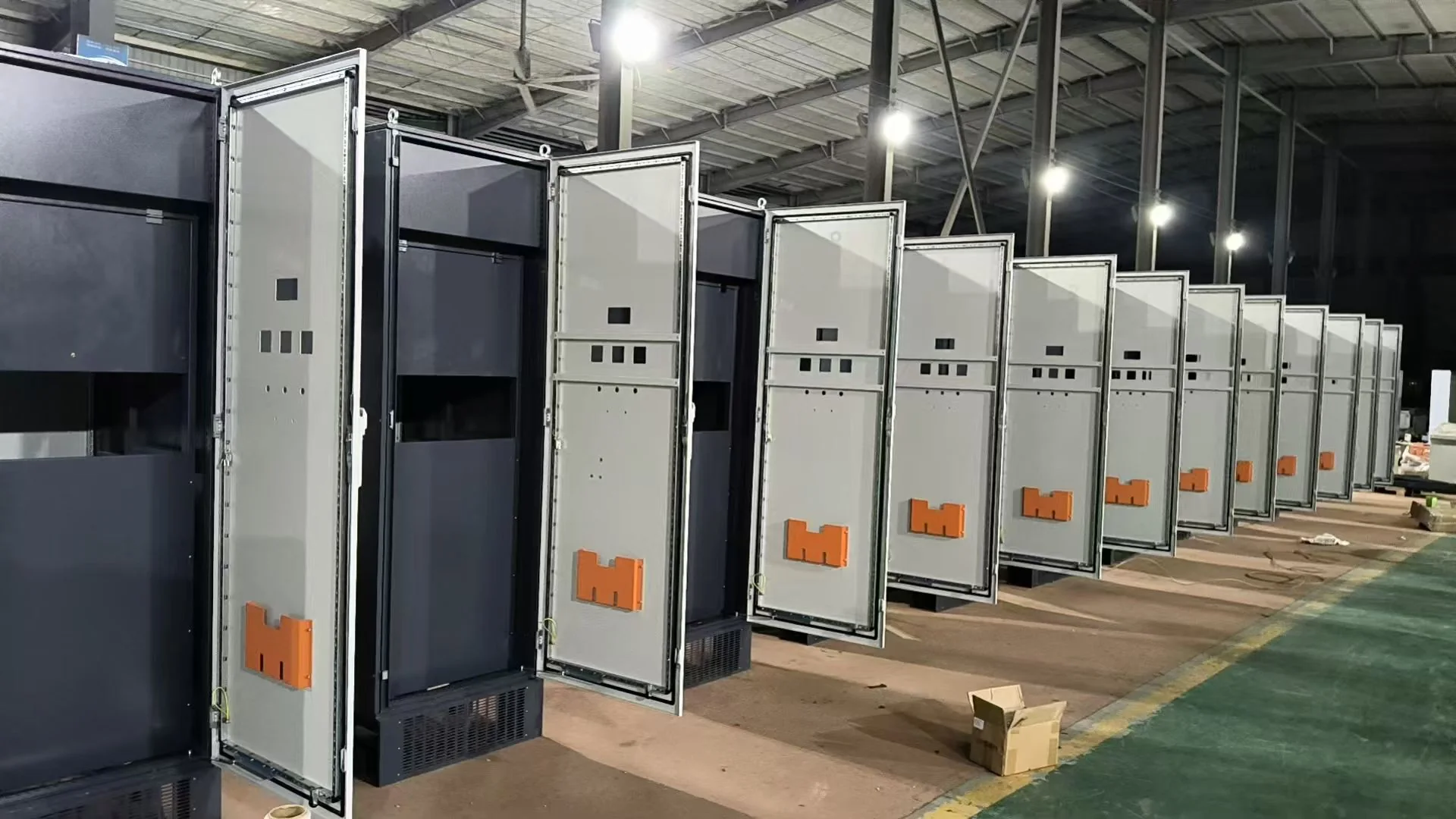
Choosing the right factory is one of the most important steps in China sourcing.
A supplier may offer attractive pricing and strong promises, but successful cooperation depends on whether the factory has the actual capabilities, production systems, and quality standards required for your project.
Before placing an order, overseas buyers should evaluate several important factors, including manufacturing capability, quality control, communication, and production experience.
This guide explains the key areas businesses should review when evaluating a Chinese factory.
Why Factory Evaluation Matters
China has a large manufacturing ecosystem with factories specializing in different industries and production capabilities.
However, not every factory is suitable for every project.
Selecting the wrong supplier may lead to:
Quality Problems
Products may not meet expected standards due to:
Material differences;
Production inconsistency;
Limited quality control.
Production Delays
Factories without suitable capacity may struggle with:
Delivery schedules;
Production volume;
Order changes.
Communication Issues
Poor communication can create problems with:
Product specifications;
Design requirements;
Problem resolution.
Evaluate Manufacturing Capability
The first step is understanding what the factory can actually produce.
Production Equipment
Review:
Manufacturing equipment;
Production technology;
Facility scale.
For example:
A CNC machining project requires understanding:
Machine types;
Precision capability;
Material processing experience.
Production Processes
A reliable factory should understand:
Production workflow;
Quality checkpoints;
Process management.
Industry Experience
Previous experience in similar products is important.
Questions to consider:
Has the factory produced similar products?
Does it understand your market requirements?
Has it worked with international customers?
Review Factory Quality Management
Quality control is a critical part of supplier evaluation.
Quality Inspection Process
Understand:
Incoming material inspection;
Production inspection;
Final inspection.
Testing Capability
Depending on the product, evaluate:
Testing equipment;
Inspection standards;
Quality documentation.
Problem Handling
A professional supplier should have processes for:
Identifying problems;
Correcting issues;
Preventing repeat problems.
Check Production Capacity
Production capacity affects delivery reliability.
Important factors include:
Factory Size
Consider:
Production area;
Number of employees;
Equipment quantity.
Current Production Load
A factory may have sufficient equipment but limited availability due to existing orders.
Supply Chain Capability
Some products require coordination with:
Material suppliers;
Component suppliers;
Supporting manufacturers.
Verify Supplier Experience
Experience often reflects a supplier's ability to handle international projects.
Evaluate:
Export Experience
Consider whether the factory understands:
International requirements;
Export standards;
Customer expectations.
Similar Projects
Previous projects can demonstrate:
Technical capability;
Product knowledge;
Production reliability.
Customer Communication
Reliable suppliers usually have experience communicating with overseas buyers.
Evaluate Communication Ability
Communication is often underestimated.
However, many sourcing problems come from communication gaps.
A reliable factory should be able to:
Understand Requirements
The supplier should clearly understand:
Product specifications;
Quality expectations;
Delivery requirements.
Provide Accurate Information
Good communication includes:
Honest capability assessment;
Clear quotations;
Realistic timelines.
Solve Problems Effectively
During production, unexpected issues may happen.
The ability to respond professionally is important.
Factory Visit and Verification
For important sourcing projects, factory verification can provide additional confidence.
A factory visit can help evaluate:
Actual production environment;
Equipment;
Quality processes;
Management systems.
However, overseas buyers may not always have the ability to visit China personally.
In such situations, local procurement support can help bridge the gap.
How Syvoni Supports Factory Evaluation
Syvoni helps overseas businesses better understand Chinese suppliers before starting cooperation.
Support includes:
Supplier Capability Understanding
Helping evaluate whether suppliers match project requirements.
Manufacturing Communication
Supporting discussions regarding:
Technical requirements;
Production capability;
Quality expectations.
Procurement Coordination
Supporting sourcing projects through:
Supplier communication;
Sample coordination;
Production follow-up.
Factory Evaluation Across Different Industries
Factory evaluation methods vary depending on the industry.
Industrial Manufacturing
Important factors include:
Equipment capability;
Technical experience;
Production processes.
Related Pages:
Commercial Equipment
Important factors include:
Manufacturing experience;
Customization ability;
Quality standards.
Related Pages:
Consumer Products
Important factors include:
Product quality;
Material selection;
Production consistency.
Related Pages:
Evaluating a Chinese factory before placing an order can significantly reduce sourcing risks.
The right supplier should not only offer competitive pricing but also demonstrate suitable manufacturing capability, quality management, communication ability, and long-term cooperation potential.
For overseas businesses, understanding supplier capabilities and having proper evaluation methods are essential steps toward successful China sourcing.
Need Support Evaluating Chinese Suppliers?
Syvoni helps overseas businesses understand supplier capabilities and coordinate sourcing projects with suitable Chinese manufacturers.
Contact Syvoni to discuss your procurement requirements.
Internal Links: